

I have a small confession to make before I talk about Jorhey.
I am tired of resource websites.
Not because they are useless — but because most of them quietly assume something that is not true for real operators:
That we have enough time, emotional energy, and mental clarity to explore.
In reality, most of us open a resource site only after something breaks.
A product page does not convert.
Traffic stalls.
A supplier disappears.
A payment provider suddenly flags your account.
Your content workflow collapses because one API changes.
That is usually the emotional background when someone searches for “e-commerce resources”.
Not curiosity.
Pressure.
That is why, when I first opened jorhey, I did not expect much.
Another list. Another directory. Another platform that looks useful on day one and gets forgotten on day seven.
That didn’t happen.
This article is not written from a neutral, academic perspective.
It is written from a very flawed, very human one:
someone who runs multiple projects, forgets tools, bookmarks too many sites, and often only remembers platforms that actually help when things get messy.
What Jorhey really is (and what it is not)
At a surface level, Jorhey is an e-commerce resource and navigation platform.
You can access it here:
👉 https://jorhey.com
It focuses on resources related to:
-
cross-border e-commerce
-
independent online stores
-
operational tools
-
supplier and platform services
-
marketing, logistics and automation utilities
But describing it like that is… incomplete.
Because the real value of Jorhey is not the category structure.
It is the context in which the resources feel usable.
Most platforms categorize tools by industry or software type.
Jorhey feels closer to how an operator’s mind actually works:
“What do I need right now to keep this store alive and growing?”
That difference becomes more visible the longer you use it.
A personal bias (that I didn’t realize I had)
I run several digital projects.
Some are content driven.
Some are platform driven.
Some are built around automation and data.
And here is my bias:
I do not trust platforms that are built primarily for traffic.
Because when a site is optimized mainly for SEO, the content slowly drifts away from operational reality.
You start seeing:
-
tools that look good in titles
-
platforms with impressive landing pages
-
products that feel disconnected from daily workflows
Jorhey does not feel like a traffic machine.
It feels closer to a working notebook that keeps being expanded.
That might sound like a strange compliment.
But it is exactly why it works.
The hidden problem with most e-commerce resource sites
Let’s be honest.
Most e-commerce resource websites fail in one very specific way:
They over-generalize.
They try to serve:
-
beginners
-
enterprise teams
-
Shopify dropshippers
-
Amazon sellers
-
SaaS founders
-
marketers
-
developers
…all at the same time.
The result?
Everything becomes shallow.
Jorhey does not try to cover every possible user type.
It quietly leans toward:
-
independent store operators
-
cross-border sellers
-
technical teams supporting stores
-
growth and automation oriented users
This focus changes what kinds of tools and resources actually appear.
Why this matters more than people realize
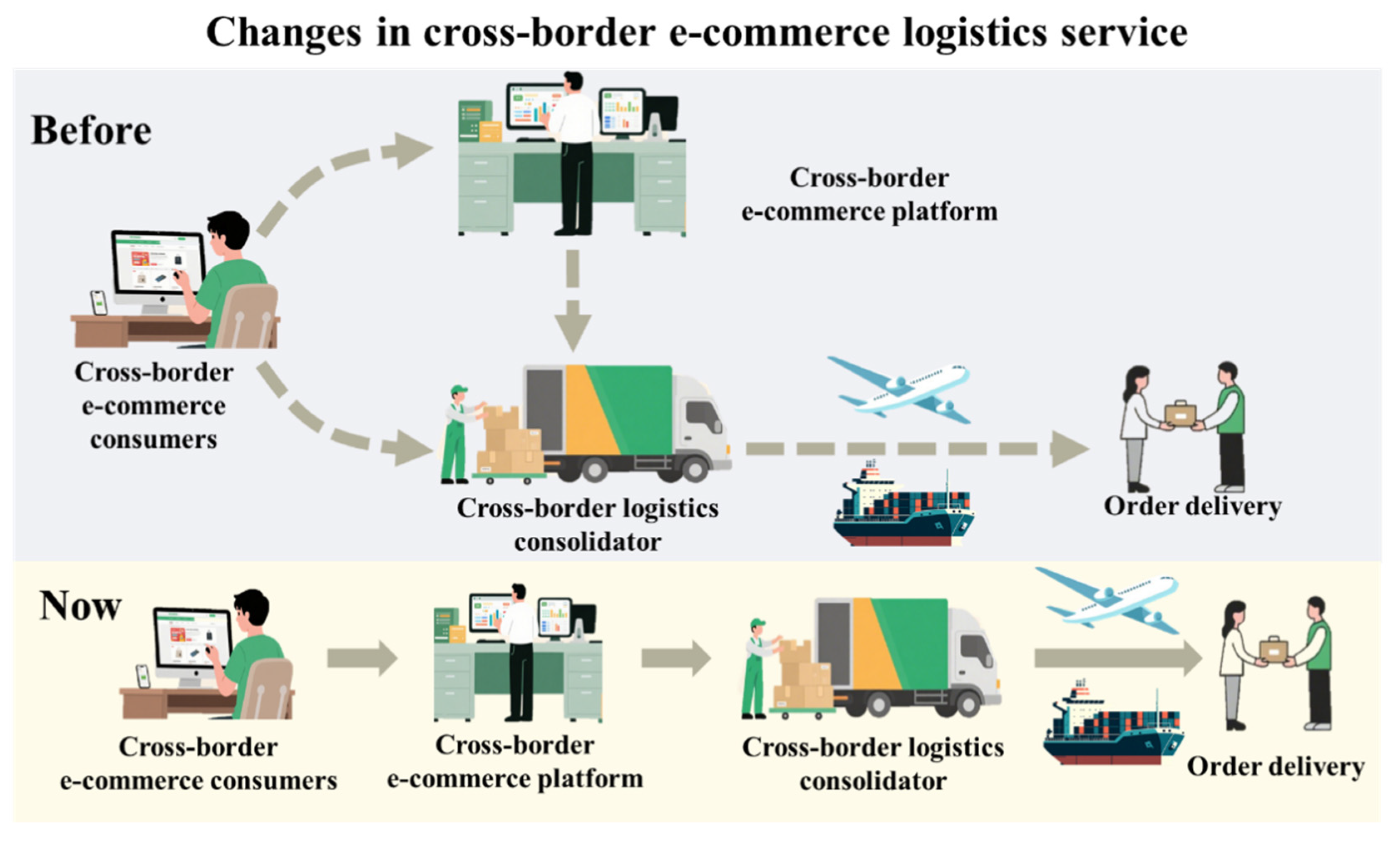
The modern e-commerce stack is no longer just:
-
a store
-
a payment gateway
-
a logistics provider
It looks more like a layered system:
-
product research
-
supplier and fulfillment management
-
content and creative workflows
-
data and analytics pipelines
-
automation services
-
customer operation systems
-
growth and advertising infrastructure
A platform that does not understand this layered structure becomes obsolete very quickly.
Jorhey does not explicitly explain this architecture.
But you feel it in how the resources are grouped and presented.
I don’t browse Jorhey for “inspiration”
I browse it because something is broken.
That is an important distinction.
For example:
You realize your product sourcing is too slow.
Or your creative workflow is bottlenecked by manual processes.
Or your competitor suddenly launches new variations faster than you can respond.
That is usually when you open a resource platform.
Jorhey supports that moment surprisingly well.
Not by providing tutorials.
But by reducing the time needed to find viable options.

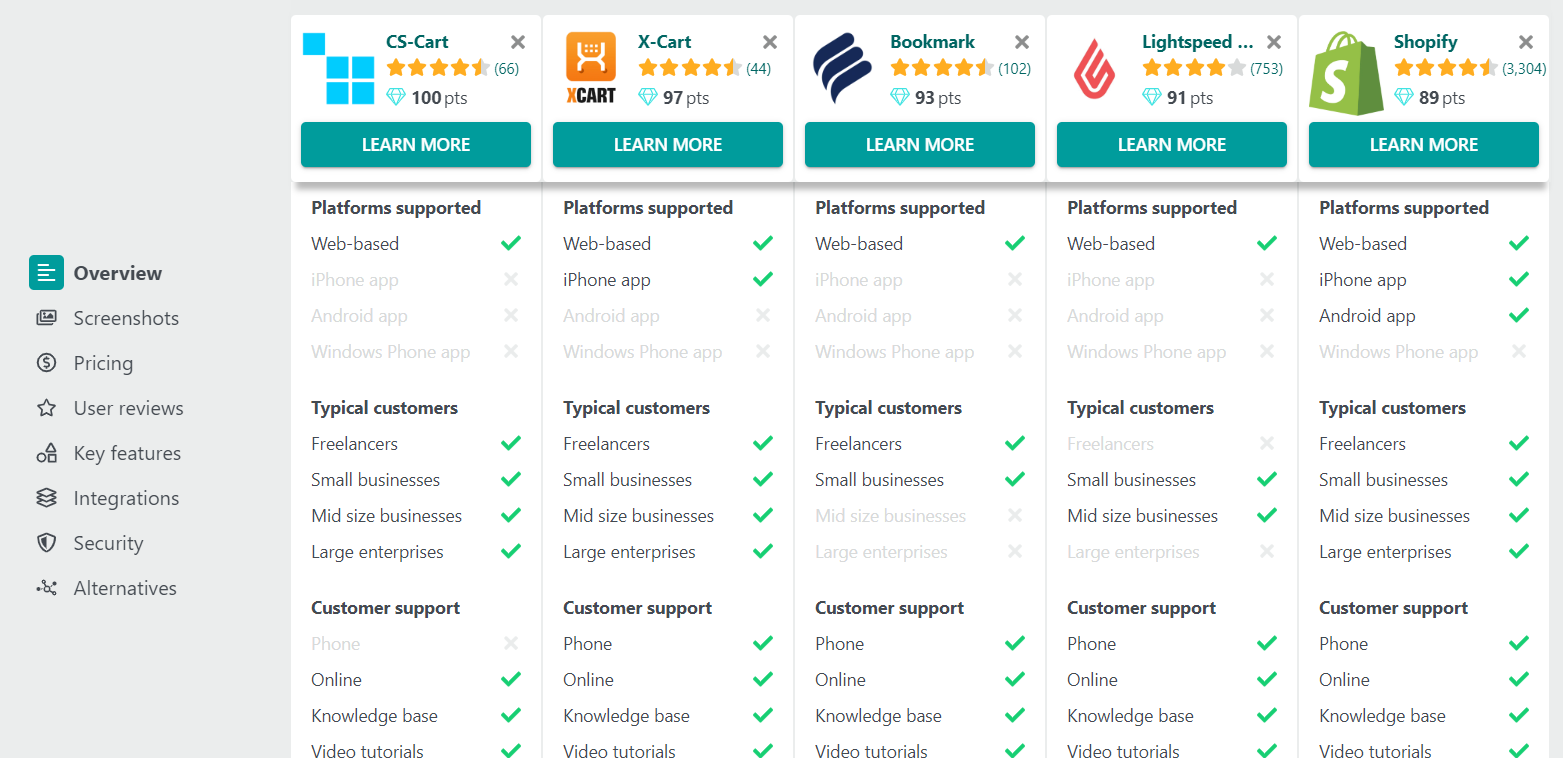
One uncomfortable truth: we overestimate how fast we can switch tools
Most blog articles recommend tools as if switching were trivial.
It is not.
Every new tool introduces:
-
operational risk
-
learning cost
-
integration friction
-
team coordination problems
The problem is not discovering tools.
The problem is committing to them.
What Jorhey does well is not pushing a “best solution” narrative.
It lets you see the ecosystem.
This allows you to make a more conservative, realistic decision.
And that is often what sustainable operations require.
Jorhey feels especially useful for cross-border sellers
One thing I noticed very quickly is how international-oriented the resources are.
If you operate across markets, you already know how painful this can be:
-
some tools do not support international payments
-
some platforms do not provide stable APIs outside certain regions
-
some services have very limited multilingual support
-
some logistics solutions only work domestically
Jorhey tends to surface tools and services that are actually usable globally.
That is not guaranteed by any category label.
It is reflected by what gets included.
This alone makes https://jorhey.com much more practical for international teams than many regional directories.
The subtle but important difference: operational thinking
Many resource platforms describe tools by features.
Jorhey descriptions usually focus more on:
-
what operational problem the resource helps solve
-
where it fits into the workflow
-
what type of store or operation it suits
This is subtle.
But when you read dozens of listings over time, the pattern becomes clear.
It saves mental translation.
You do not need to ask:
“How does this fit into my process?”
The positioning already suggests it.
My imperfect usage pattern (and why it actually works)
I don’t use Jorhey in a disciplined way.
I don’t plan sessions.
I don’t explore full categories.
I open it when something hurts.
When a bottleneck becomes annoying enough.
That is probably not how most product designers imagine their users.
But that is how operators behave.
And Jorhey fits that behavior surprisingly well.
The platform does not pretend e-commerce is simple
This is something I deeply appreciate.
Many blogs still sell the idea that e-commerce is mostly about:
-
picking the right product
-
building a store
-
running ads
That narrative is outdated.
Today, success depends on:
-
operational efficiency
-
data flow stability
-
automation
-
creative scalability
-
supplier reliability
-
infrastructure robustness
Jorhey does not simplify the ecosystem artificially.
It reflects complexity without overwhelming you.
That balance is hard.
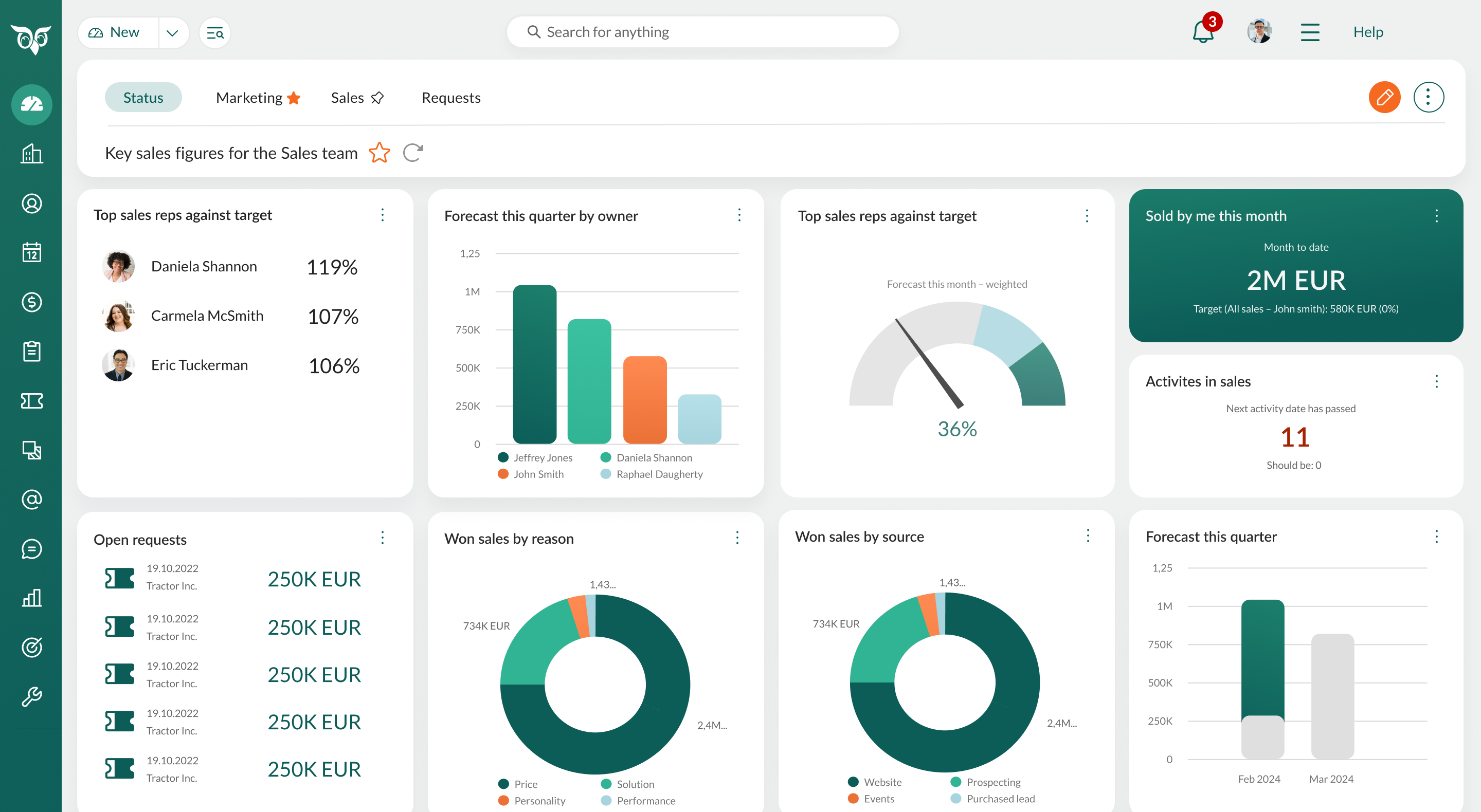
Where Jorhey fits inside a modern growth stack
A realistic growth stack for an independent e-commerce brand today usually includes:
-
market intelligence tools
-
product and supplier discovery platforms
-
creative and content pipelines
-
automation and workflow orchestration
-
analytics and attribution tools
-
CRM and customer engagement systems
Jorhey becomes a discovery layer across all of these.
Not a replacement.
A reference.
That is an important role.


What Jorhey does not try to be (and why that’s healthy)
It is not a learning platform.
It is not an academy.
It is not a strategy blog.
It is not a consulting product.
It is a resource navigation and discovery site.
That limitation is important.
Because the moment a platform tries to become everything, it usually becomes shallow.
Jorhey stays in its lane.
A small frustration (and this is my human complaint)
Sometimes I wish there were more editorial notes.
More real operator commentary.
More context about why certain tools are better suited for certain stages.
But at the same time…
I realize that heavy editorial layers introduce bias.
They reflect the experience of one team.
One background.
One region.
Jorhey staying relatively neutral makes it more adaptable across different business models.
So this is not really a complaint.
It is a trade-off.
Why Jorhey feels more honest than many “top tools” blogs
Most tool recommendation blogs today are monetized.
This is not inherently bad.
But it changes incentives.
Content becomes optimized for:
-
affiliate programs
-
sponsored placements
-
high-paying platforms
Jorhey does not feel like it is designed primarily to convert.
It feels designed to catalogue.
That difference is visible.
And over time, you begin to trust the platform more.
Another human problem Jorhey quietly helps with: decision fatigue
Running a store requires constant decisions.
Pricing.
Suppliers.
Marketing channels.
Tools.
Integrations.
At some point, you stop wanting “the best option”.
You want a reasonable shortlist.
Jorhey helps you reach that shortlist faster.
Not perfectly.
But consistently.
Jorhey is especially useful for operators who build their own systems
If you rely only on app marketplaces, your stack becomes constrained.
You live inside one ecosystem.
Jorhey exposes you to tools and services outside those closed environments.
This matters for:
-
teams building custom workflows
-
companies integrating internal systems
-
operators working with multiple platforms at the same time
It gives you visibility beyond the walls.
A quiet advantage: it supports exploratory architecture design
Sometimes you are not looking for a tool.
You are rethinking an architecture.
For example:
“How can I automate product updates across multiple storefronts?”
“How can I restructure my creative pipeline to support higher SKU turnover?”
“How can I reduce manual intervention in fulfillment?”
By browsing Jorhey, you start noticing patterns:
-
categories of tools you never considered
-
services that solve adjacent problems
-
integrations that suggest alternative workflows
This is where Jorhey becomes more than a directory.
It becomes a thinking aid.
Why I would recommend Jorhey to ExmaxGrow readers
ExmaxGrow readers are usually not beginners.
They already have stores.
They already have traffic.
They already have tools.
What they often lack is:
-
structural clarity
-
scalable workflows
-
reliable discovery channels
Jorhey fits that gap well.
It supports operators who are transitioning from:
“running a store”
to
“running a system”.
That transition is one of the hardest phases in e-commerce growth.
Who probably should not use Jorhey
To be fair, Jorhey is not ideal for:
-
people looking for step-by-step tutorials
-
beginners building their first store
-
users who expect plug-and-play solutions
Jorhey assumes you already understand the basics.
It supports execution, not onboarding.
That makes the platform narrower.
But also sharper.
A personal reflection
I usually forget resource sites.
Even good ones.
They blend together after a few weeks.
The reason I remember https://jorhey.com is simple:
It shows up when I actually need it.
Not when I am browsing for ideas.
But when I am solving problems.
That is the only metric that matters to me.
Final thoughts
Jorhey is not trying to be the loudest e-commerce resource platform.
It is not trying to dominate search results with generic lists.
It is not trying to educate the world.
It focuses on one simple but difficult mission:
helping operators discover usable resources inside an increasingly complex e-commerce ecosystem.
For founders, growth teams and cross-border sellers reading ExmaxGrow, Jorhey offers a practical discovery layer that respects how real work actually happens.
Messy.
Iterative.
Constrained by time.
And full of imperfect decisions.
If you are building or operating an online business and want a clearer view of the tools and services available beyond closed marketplaces, I strongly recommend spending some time exploring:
Not to find the perfect solution.
But to build a better system.
