Can Chickens Survive Winter Without Heating? The Ultimate Farm Guide
As the days grow shorter and the first frost blankets the ground, backyard flock owners and professional homesteaders share a common anxiety: How do I keep my chickens warm in winter? The immediate instinct is often to run extension cords to the coop and hang heat lamps. However, this well-intentioned practice is not only largely unnecessary but can also be incredibly dangerous.
So, can chickens survive winter without heating? The definitive answer is yes. Chickens are highly resilient, naturally insulated creatures equipped to handle freezing temperatures far better than human beings can. With the right preparation, a structurally sound coop, and proper management, your flock will not just survive the winter—they will thrive.
In this comprehensive guide, we will explore the science of poultry thermoregulation, the extreme risks associated with artificial heating, and the essential steps to winterizing your chicken coop. Let's dive into creating a safe, comfortable, and natural winter environment for your birds.

The Science of Chicken Thermoregulation 🐔
To understand why keeping chickens warm in winter doesn't require electricity, we must look at their biology. A chicken's body temperature runs naturally high—between 105°F and 107°F (40.5°C to 41.6°C). Their primary defense against the cold is their plumage.
When temperatures drop, a chicken will "fluff up" its feathers. This action traps a layer of warm air against their skin, creating a highly effective insulation barrier—similar to how a high-end down jacket works for a hiker. Furthermore, chickens possess a specialized circulatory system in their legs. Counter-current heat exchange allows their warm arterial blood to heat the cold venous blood returning from their feet, preventing frostbite while minimizing core heat loss.
Poultry Comfort Zones vs. Human Perception
Notice how chickens reach peak comfort at much lower temperatures than humans.
*Tolerable in a draft-free, dry coop. Data sourced from Agricultural Extension Poultry Studies.
The Hidden Dangers of Artificial Heating
While installing a 250-watt heat lamp might make you feel better, it often introduces significant risks to your flock. Professional hatcheries and seasoned farmers strongly advise against supplemental heating for adult birds.
Leading Causes of Winter Coop Fatalities
- Heat Lamp Fires (15%)
- Poor Ventilation / Moisture (25%)
- Predators in Weak Coops (35%)
- Lack of High-Energy Feed (25%)
1. The Fire Hazard: A coop is filled with highly combustible materials: dry pine shavings, straw, feathers, and wood. A knocked-over lamp or a shattered bulb can ignite a coop in minutes. Fire departments respond to thousands of coop fires every winter.
2. Disrupted Acclimation: As autumn fades to winter, chickens undergo a natural physiological process to acclimate to dropping temperatures. Heating the coop disrupts this process. If your birds become reliant on artificial heat, and a winter storm causes a power outage, the sudden, extreme temperature drop can lead to mass shock and fatality.
3. Moisture Buildup: Heat lamps increase the ambient temperature, which allows the air to hold more moisture. When this warm, moist air hits cold walls, condensation forms. This moisture is the number one cause of frostbite on combs and wattles.
5 Essential Steps to Winterize Your Flock Without Electricity
If we eliminate heat lamps, how do we ensure our flock's safety? Winter chicken care relies entirely on coop design, diet, and enrichment. Here are the five critical steps.
Step 2: The Deep Litter Method
Instead of cleaning the coop down to the bare floor every week, allow your bedding to build up. Start with a 4-inch layer of pine shavings in autumn. As the chickens soil it, add a fresh layer on top. The mixture of droppings and carbon-rich shavings will begin to compost on the coop floor. This natural composting process generates ambient heat, radiating warmth from the floor up, entirely electricity-free!
Step 3: High-Energy Diet and Constant Hydration 🌽
Digestion is a chicken's internal furnace. Digesting high-calorie food generates significant body heat. Offering scratch grains (like cracked corn and oats) right before dusk ensures their digestive system is working hard—and keeping them warm—throughout the long, freezing night.
However, increased feed intake means a higher risk of attracting rodents looking for winter shelter. Furthermore, keeping feed dry during damp winter months is crucial.
Pro Tip: Protect Your Feed Investment
Ensure your flock always has access to clean, dry, rodent-free food with the VetraPulse Automatic Poultry Feeder. Designed with a weather-proof seal and an anti-spill mechanism, it guarantees your chickens get the calories they need without waste, even in the harshest winter weather.
Get the Auto Poultry Feeder ➔
Step 5: Roosting Details and Frostbite Prevention
Ensure your roosting bars are flat and wide (like a 2x4 piece of wood laid with the wide side up). When chickens roost on flat bars, they lay their bodies completely over their feet, tucking them under their warm breast feathers. If the roost is round, their toes wrap around and stay exposed to the freezing air, drastically increasing the risk of frostbite.
Real Case Study: A Homestead's Transition to No-Heat Wintering
📍 The Peterson Family Farm, Minnesota, USA
The Challenge: The Petersons live in an area where January temperatures frequently drop to -15°F (-26°C). For years, they used heat lamps, constantly worrying about fires and spending heavily on winter electricity.
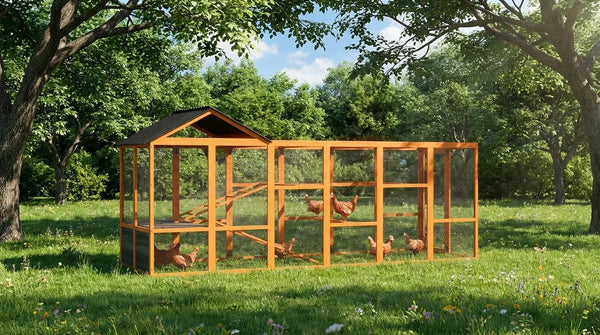
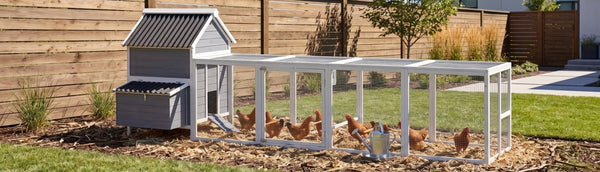
The Transition: In 2024, they removed all electrical heating. They upgraded to a heavily ventilated, draft-free structure (similar to the VetraPulse coop series) and implemented the Deep Litter Method. They switched to automated feeding to ensure high-calorie intake before roosting.
The Result: "It was nerve-wracking the first night it hit -10°F," says John Peterson. "But the next morning, we found the coop internal temperature was naturally hovering around 18°F, and the humidity was perfectly low. Not a single bird had frostbite, their egg production remained stable, and we saved hundreds on our electric bill. Trust their feathers!"
Cold-Hardy vs. Cold-Sensitive Breeds
While most chickens can handle the cold, some breeds are specifically built for winter survival. Generally, breeds with large body mass, heavy plumage, and small combs (like pea or rose combs) fare the best.
| Chicken Breed | Comb Type | Winter Tolerance | Key Characteristics |
|---|---|---|---|
| Chantecler | Cushion | ⭐ ⭐ ⭐ ⭐ ⭐ (Exceptional) | Developed in Canada specifically for extreme cold without frostbite. |
| Rhode Island Red | Single / Rose | ⭐ ⭐ ⭐ ⭐ (Excellent) | Hardy, dual-purpose breed. Rose comb variety is less prone to frostbite. |
| Australorp | Single | ⭐ ⭐ ⭐ ⭐ (Excellent) | Heavy, dense feathers. Excellent winter layers. |
| Leghorn | Large Single | ⭐ ⭐ (Moderate) | Slender bodies and massive combs make them highly susceptible to frostbite. |
| Silkies | Walnut | ⭐ (Poor) | Feathers lack barbicels (they resemble hair), meaning they cannot repel water or insulate well in severe cold. |
Frequently Asked Questions (FAQ)
Still have concerns about keeping chickens warm in winter? Here are the answers to the most common questions from our community.
At what temperature do chickens get too cold?
Do chickens need warm water in winter?
How do I know if my chickens are freezing?
Should I put sweaters on my chickens?
Conclusion: Trust Nature, Provide the Right Tools
Can chickens survive winter without heating? Absolutely. By understanding their incredible biology and ditching the dangerous heat lamps, you are setting your flock up for a safer, healthier winter. The secret to winterizing a chicken coop lies entirely in proper management: draft-free ventilation, high-calorie feed, deep litter, and an enriched environment.
Preparation is everything. Don't wait until the first blizzard hits to realize your coop is drafty or your feed is freezing. Equip your homestead with reliable, farm-tested gear.
- University of Minnesota Extension: Managing poultry in cold weather.
- Storey's Guide to Raising Chickens, 4th Edition (Damerow, Gail). Data on poultry thermoregulation and frostbite prevention.
- National Fire Protection Association (NFPA) reports on agricultural outbuilding fires caused by supplemental heating devices.
""" file_path = "vetrapulse-winter-chicken-care.html" with open(file_path, "w", encoding="utf-8") as f: f.write(html_content) print(f"File saved to: {file_path}")