How to Keep Foxes Out of Your Chicken Coop
The complete, field-tested defense guide for backyard flock owners — from coop hardening to electric fencing.
How do you keep foxes out of a chicken coop?
The most reliable approach is a layered defense system: secure your coop with hardware cloth (not chicken wire), bury wire 12 inches underground with an outward L-skirt, and surround the free-range area with electric poultry netting powered by a proper energizer. This combination stops foxes from digging under, squeezing through, or jumping over your perimeter — 24/7, even when you're not home. 🦊🚫
Why Foxes Are the #1 Danger to Backyard Flocks 🦊
You've invested time, money, and real care into your backyard flock. Then one morning you walk outside and find feathers, chaos, and silence. For hundreds of thousands of chicken keepers every year, that moment is caused by a fox.
Unlike many predators, foxes don't simply grab one bird and leave. When a fox enters a coop, instinct drives it to kill far more than it can eat — a behavior called surplus killing. A single visit can wipe out an entire flock overnight.

What makes foxes so effective as predators — and so difficult to stop with basic fencing — is the combination of three remarkable physical abilities:
- Digging: A fox can tunnel under a standard fence in under 60 seconds, going 12–18 inches deep if motivated.
- Jumping: Adult foxes can clear a 6-foot (1.8 m) fence from a standing start and climb wire mesh with ease.
- Squeezing: Their slender bodies allow them to push through gaps as small as 4 inches wide — which rules out chicken wire as a serious defense.
How Foxes Actually Get Into Coops
Understanding how foxes breach coops is the first step to blocking every entry route. Field data from poultry keepers and extension studies consistently point to four primary methods:
- 35% — Digging under the perimeter
- 28% — Jumping or climbing over
- 22% — Gaps, weak mesh, or unsecured doors
- 15% — Daylight entry through open access points
Notice that over a third of all fox intrusions come from digging — which no standard above-ground fence addresses. And another 28% involve jumping or climbing, which rules out short fencing alone. This is precisely why a single-layer defense approach consistently fails.
The 5-Layer Fox Defense System 🛡️
Professional poultry farmers and extension researchers agree: the only reliable protection against foxes is a layered approach that addresses every entry method. Here's how each layer works and why you need all five.
Reinforce the Coop Structure
Replace chicken wire with hardware cloth (welded wire mesh) with openings no larger than ½ inch. Hardware cloth is rigid and fox-proof; chicken wire is flimsy and can be torn open in seconds. Cover all windows, vents, and access points. Secure every door with a fox-proof latch — foxes can work lever handles and simple clasps.
Create a Dig-Proof Foundation
Bury hardware cloth at least 12 inches (30 cm) straight down along the base of every fence and run, then bend it outward 8–10 inches to form an underground L-skirt. When a fox digs at the base, it hits the horizontal barrier and gives up. You can also lay flat wire aprons on the ground surface weighted with pavers for a simpler installation.
Install Electric Poultry Netting
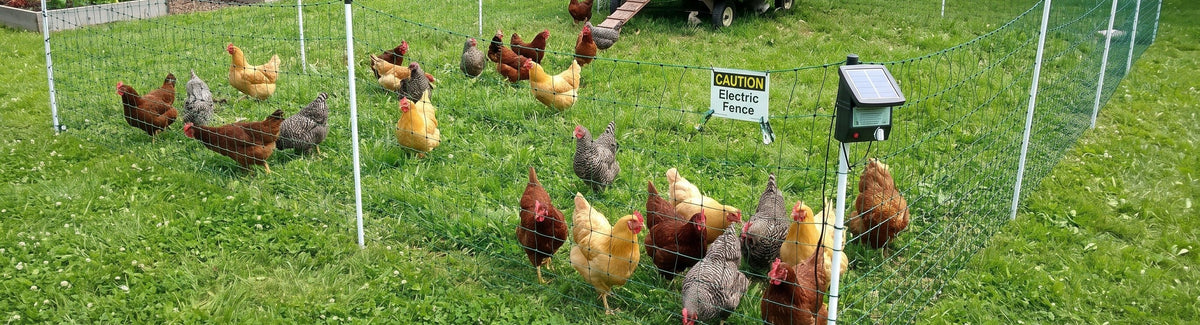
This is your most powerful active deterrent. Electric poultry netting surrounds the entire free-range area with an energized mesh that delivers a safe, harmless shock on contact. Unlike passive barriers, it teaches foxes to permanently avoid your property. Most foxes investigate with their sensitive nose first — one contact with a live net is enough to create a lasting aversion. 🔌
Use a Properly Rated Energizer
Electric netting is only as good as the energizer powering it. An underpowered charger — especially when vegetation touches the fence — can drop voltage below the deterrent threshold, and foxes quickly learn when a fence is "off." Choose an energizer rated for your net length with enough joules to maintain strong voltage even when the fence isn't perfectly clean.
Add Motion-Activated Lighting & Lock the Coop at Dusk
Motion-triggered lights startle approaching foxes and disrupt their preferred hunting pattern (low-light stealth). Pair this with an automatic coop door closer set to shut at dusk — the time most fox incidents begin. This combination closes the gap when human supervision isn't possible.
Why Electric Netting Is the Game-Changer 🔋

Of all the methods available, electric poultry netting consistently earns the highest effectiveness rating from both agricultural researchers and experienced chicken keepers. Here's why it works when everything else doesn't:
A fox approaching an electric net gets a shock on its nose or paws — the most sensitive areas of its body. This creates an immediate and lasting memory association between your coop and pain. Unlike visual deterrents (reflective tape, scarecrows) that foxes quickly learn to ignore, a real electric shock cannot be habituated. The fox simply stops coming back.
Electric netting also addresses the jump problem that standard fencing can't. Because the entire net is live, a fox attempting to climb it receives a shock at multiple points during the attempt — not just at the base. A properly tensioned, well-energized net is extraordinarily difficult for a fox to defeat.
The data is clear: electric netting outperforms every other single method. And when combined with Layer 1 and Layer 2 (hardened coop and buried wire), you're building a fortress that even the most persistent fox will give up on.
VetraPulse Electric Poultry Netting
Portable, easy-to-move poultry net with built-in posts. Creates a fully energized perimeter that stops foxes on contact — no digging required.
Shop Electric Netting →Fence Energizers & Chargers
A properly powered energizer is what keeps foxes out. Our AC/DC multi-power chargers deliver consistent voltage across your entire net — even with vegetation contact.
Shop Energizers →Solar Electric Fence Charger
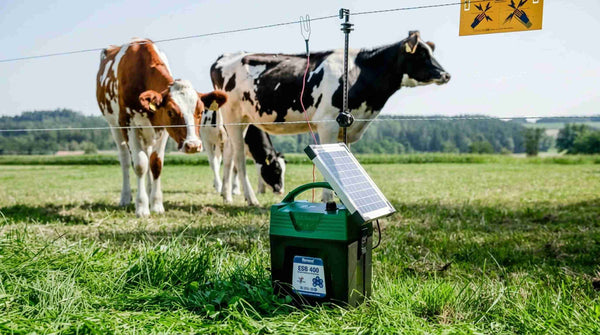
No outlet? No problem. Our 0.3J solar charger powers up to 1.86 miles of netting off-grid — ideal for pasture and remote coop setups.
Shop Solar Charger →Fox Defense Methods: Side-by-Side Comparison
Not all protection methods are equal. This table helps you make an informed decision based on cost, effectiveness, and ease of use.
| Defense Method | Stops Digging | Stops Jumping | Passive / Always On | Fox Deterrence Rating | Estimated Cost |
|---|---|---|---|---|---|
| Chicken Wire | ❌ No | ❌ No | ✅ Yes | ⭐⭐ Low | $ Low |
| Hardware Cloth (½") | ✅ Yes (above ground) | ⚠️ Partial | ✅ Yes | ⭐⭐⭐ Moderate | $$ Medium |
| Buried Wire Apron | ✅ Yes | ❌ No | ✅ Yes | ⭐⭐⭐ Moderate | $$ Medium |
| Motion-Activated Lights | ❌ No | ❌ No | ✅ Yes | ⭐⭐ Low–Medium | $ Low |
| Guard Animal (dog/llama) | ✅ Yes | ✅ Yes | ✅ Yes | ⭐⭐⭐⭐ High | $$$ High + ongoing |
| Electric Poultry Netting BEST | ✅ Yes | ✅ Yes | ✅ Always On | ⭐⭐⭐⭐⭐ Excellent | $$ Medium, one-time |
| Electric Netting + Solar Energizer OFF-GRID | ✅ Yes | ✅ Yes | ✅ Always On | ⭐⭐⭐⭐⭐ Excellent | $$ Medium, no outlet needed |
Case Study: From Two Fox Attacks to Zero 🏆
"We lost 11 hens in six weeks to the same fox before we made changes. After we installed electric poultry netting and connected a proper charger, that fox came back twice — we saw the tracks in the mud the next morning, stopping right at the fence line. It never came back a third time. It has now been 14 months with zero losses."
This experience mirrors what agricultural extension researchers document consistently: electric netting creates a strong aversion response in foxes. Once a fox associates your perimeter with an electric shock, the deterrence effect is long-lasting — often permanent.
The key in Sarah's case was pairing the netting with a properly rated energizer. Her first attempt used a low-power charger that dropped voltage when grass touched the wire — the fox quickly figured out the fence was unreliable. Upgrading to a robust energizer solved the problem overnight.
Getting Your Electric Netting Right: 6 Critical Tips

- Keep vegetation trimmed: Grass touching the net drains voltage. Clear a 6-inch strip below your net line and check monthly.
- Test voltage weekly: Use a fence tester. You want at least 4,000–5,000 volts at the far end of the net for reliable fox deterrence.
- Place the bottom strand low: The first horizontal wire of your netting should sit 2–3 inches above the ground to catch foxes investigating at ground level.
- Use a grounding rod in dry conditions: During summer droughts, dry soil increases ground resistance. A 3-foot grounding rod maintains circuit integrity.
- Make sure the net is taut: A slack net is easier for determined foxes to push under. Use all provided posts and add corner anchors in windy locations.
- Match energizer joules to net length: A standard 164–168 ft poultry net needs at least 0.25–0.5 joules output. If you're running multiple nets, size up your energizer accordingly.
When Are Fox Attacks Most Likely? 📅
Fox activity spikes dramatically from March through June — cub-rearing season. Adult foxes must hunt far more frequently to feed growing cubs, and they take greater risks than they would at other times of year. A fox that might normally be deterred by noise or lights will push through its hesitation if it's hungry enough.
This means spring is the worst time to be without reliable electric fencing — and the best time to upgrade your setup before the season peaks.
FAQ — Fox & Chicken Coop Protection 🙋
-
Can foxes dig under a chicken coop?
Yes — foxes are skilled diggers and among the most persistent burrowers of common chicken predators. They can tunnel under a standard fence in under a minute when motivated. The solution is to bury hardware cloth at least 12 inches (30 cm) straight down along your coop and run perimeter, then bend it outward 8–10 inches underground to form an L-shaped barrier. When a fox hits this horizontal section, it stops digging and moves on. -
What height fence keeps foxes out?
Adult foxes can jump up to 6 feet (1.8 m) from a standing start, and are capable climbers on wire mesh. A passive fence needs to be at least 6 feet tall — and ideally topped with an outward-angled roller bar or overhang to prevent climbing. However, if you use electric netting, the jump deterrent is built in: a fox attempting to climb receives a shock at multiple contact points and abandons the attempt. -
Does electric netting actually stop foxes?
Yes — electric poultry netting is widely considered the most effective non-lethal fox deterrent available to small-scale flock keepers. When properly energized (maintaining 4,000+ volts), it delivers a safe, harmless shock on contact. Foxes investigate with their sensitive noses first, and one contact is typically enough to create a lasting aversion. Unlike visual or auditory deterrents, foxes cannot habituate to the shock — they simply learn to avoid the perimeter. -
What time of day do foxes attack chickens?
Foxes are naturally most active at dawn, dusk, and during the night. However, they increasingly attack in broad daylight — particularly during spring and early summer when they're raising cubs and need to hunt more frequently. This is why protection systems need to be always on, not just at night. An energized electric net operates 24/7 without any action required from you. -
Can a solar fence charger power electric netting?
Absolutely. A good solar fence charger — like the VetraPulse 0.3J Solar Electric Fence Charger — can power up to 1.86 miles of electric netting with zero grid connection needed. It's ideal for remote coops, pasture setups, or any location where running an extension cord is impractical. Look for a model with an integrated rechargeable battery so it continues operating on cloudy days and overnight. -
How often do foxes attack chicken coops?
Once a fox identifies a flock as an accessible food source, it will return repeatedly — often on a daily or nightly schedule. Data from the UK National Farmers Union indicates foxes are responsible for over 60% of all reported poultry predation incidents. In suburban and rural areas with fox populations, unprotected coops face a significant and ongoing risk rather than a rare, one-time event. -
Is electric fencing safe for my chickens?
Yes. Properly installed electric poultry netting is safe for chickens. The short, pulsed shock is designed to deter — not harm — any animal that contacts it. Chickens quickly learn to avoid the net after a single minor contact. The voltage is calibrated to be a strong deterrent to predators while being safe for birds, pets, and humans. Always follow the manufacturer's instructions for your specific energizer output.
Ready to Protect Your Flock — For Good? 🛡️
Don't wait for a fox attack to take action. VetraPulse electric netting and energizers give you professional-grade perimeter protection that works 24/7, even when you're not home.