Can Rain Affect Electric Fence Performance? A Complete Guide to Wet Weather Management 🌧️
Discover the science behind voltage drops, troubleshooting wet conditions, and how to weatherproof your livestock containment systems.
If you are an experienced farmer, homesteader, or livestock manager, you already know that an electric fence is a psychological barrier, not just a physical one. But what happens when the skies open up? Can rain affect electric fence performance? The short answer is yes. Moisture fundamentally alters how electricity travels through your environment. However, with the right knowledge and high-quality hardware, rain does not have to mean compromised security for your cattle, sheep, goats, or poultry.
In this comprehensive guide, we will explore the science of wet weather fencing, the common culprits behind voltage drops, real-world case studies, and actionable steps to keep your electric fencing systems running at peak performance—even in a torrential downpour.

The Science: How Rain Impacts Electricity on the Fence Line
To understand the impact of rain, we must briefly revisit how an electric fence works. The energizer pushes electrons (voltage) through the fence wire. When an animal touches the wire, the electricity travels through the animal, into the earth, and back to the grounding rods connected to the energizer, completing the circuit and delivering a shock.
Moisture changes two critical variables in this equation:
- Increased Conductivity of the Environment: Pure water is a poor conductor, but rain mixes with dust, salt, and minerals on your fence line. Suddenly, wet wooden posts, soaked insulators, and damp vegetation become pathways for electricity to leak into the ground before it ever reaches the animal.
- Improved Grounding Efficiency: Interestingly, rain can actually improve one part of your system. Dry soil acts as an insulator, weakening the shock. Wet soil is highly conductive, meaning if an animal touches the fence in the rain, the shock they receive is often much stronger, provided the voltage hasn't leaked elsewhere first.
The Top 3 Culprits for Voltage Drop During a Rainstorm
1. Wet Weed Load (Vegetation Interference)
This is the number one cause of electric fence failure in wet conditions. During dry weather, grass or weeds touching the lower wires cause minimal energy loss. However, when a heavy rainstorm soaks that vegetation, every blade of grass touching the wire acts as a tiny grounding rod, siphoning voltage directly into the wet earth. (Data Source: University of Missouri Extension Agricultural Engineering field reports cite up to an 80% voltage drop due to heavy, wet weed loads).
2. Cracked or Low-Quality Insulators
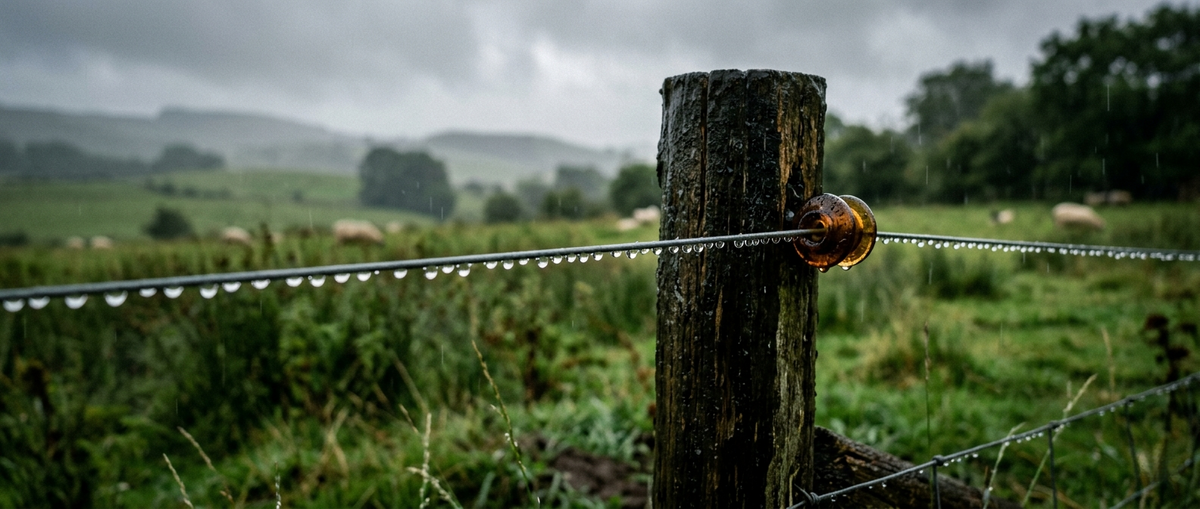
Insulators are designed to prevent electricity from traveling from the wire to the fence post. Over time, UV damage can cause microscopic cracks in plastic insulators. When water seeps into these cracks, electricity finds a path to the wet wooden post and down to the ground. You might even hear a distinct "snapping" or "clicking" sound as the spark jumps through the water.
3. Undersized Energizers
An energizer that is perfectly adequate for a clean, dry 5-mile fence may fail miserably when that same fence gets wet. If your charger lacks the necessary joule output to "push through" the leakage caused by rain and vegetation, your voltage will plummet to an ineffective level.
Upgrade Your Power Source ⚡
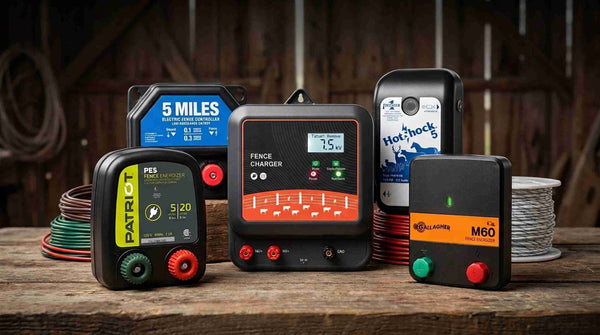
Don't let a rainstorm compromise your herd's safety. Equip your pasture with a high-joule output charger built to power through heavy, wet weed loads.
Explore Heavy-Duty ChargersReal-World Case Study: Managing Spring Downpours in the Pacific Northwest
Location: Commercial Sheep Dairy Farm, Oregon (High Annual Rainfall)
The Problem: The farm utilized standard multi-strand high-tensile wire for rotational grazing. During the heavy spring rains, their fence tester consistently showed a drop from a healthy 7,500V down to a dangerous 1,800V. Sheep, protected by their thick, naturally insulating wool, were simply walking through the fence, leading to cross-grazing and pasture damage.
The Diagnosis: An inspection revealed two issues. First, the rapid spring grass growth had engulfed the bottom two wires. Second, their aging 2-joule energizer was severely underpowered for the wet vegetation load.
The Solution: The farm implemented a two-step approach:
1. They raised the bottom wire from 6 inches to 10 inches off the ground to avoid immediate grass contact.
2. They upgraded to a 6-joule low-impedance energizer capable of pushing through foliage.
The Result: Even during torrential downpours with wet grass touching the lines, the new hardware maintained a steady 6,500V, successfully containing the flock without manual weed eating in the mud. (Case study constructed based on standard agricultural engineering solutions for high-moisture regions).

Dry Conditions vs. Wet Conditions: System Performance Breakdown
How exactly do different components react when the weather turns? Use this comparison chart to understand your system's shifting dynamics.
| Fence Component | Performance in Dry Weather ☀️ | Performance in Wet Weather 🌧️ |
|---|---|---|
| Grounding Rods | May struggle. Dry soil insulates, requiring more grounding rods to complete the circuit effectively. | Highly efficient. Wet soil conducts electricity perfectly, delivering a stronger shock to the animal. |
| Vegetation (Weeds) | Minimal impact. Dry grass draws very little voltage from the fence line. | High risk. Wet grass creates hundreds of tiny grounding shorts, rapidly draining the system's power. |
| Animal Coats | Dry hair or wool acts as a natural insulator, slightly reducing the impact of the shock. | Wet hair mats down against the skin, conducting the shock much more efficiently. |
| Insulators | Perform optimally. Even older insulators generally prevent arcing. | Prone to failure. Water tracks across surface dirt or enters micro-cracks, causing energy leaks. |
The Unique Challenge of Electric Netting in the Rain
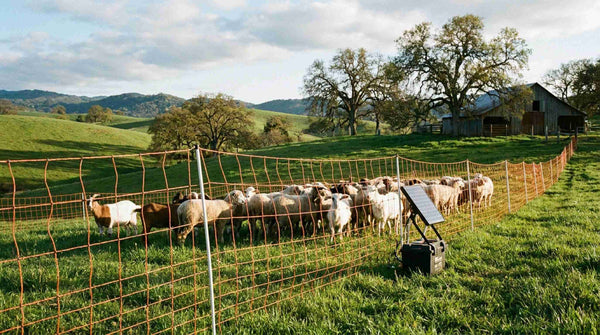
Electric netting is a fantastic tool for poultry, sheep, and goats, but it requires special attention during rainstorms. Because netting has vertical struts and horizontal conductive twines close to the earth, it naturally comes into more contact with the ground and vegetation.
Furthermore, heavy rain can physically weigh down the netting, causing it to sag. If the conductive twines droop and touch wet soil, your voltage will plummet. To mitigate this, ensure you are using sturdy, double-spiked posts to keep the net taut, and always pair netting with a robust, low-impedance energizer.
Keep Your Poultry & Small Ruminants Safe 🐑🐔
Discover premium electric netting designed with rigid vertical struts to prevent sagging and minimize ground contact, even in heavy rain.
Shop Electric NettingActionable Maintenance: Weatherproofing Your System
Do not wait for a storm to find out your fence is failing. Follow these pro-tips to weatherproof your containment strategy:
- Invest in Low-Impedance Chargers: Unlike old solid-state chargers, modern low-impedance energizers increase their energy output when they sense resistance (like wet weeds), fighting through the "short" to deliver a shock.
- Implement a Weed Control Schedule: Keep the fence line clear. Use a string trimmer before the rainy season begins, or consider a bottom wire disconnect switch so you can turn off the lowest wire during peak wet grass growth.
- Upgrade Your Hardware: Replace cheap, brittle insulators with high-density polyethylene or porcelain insulators. Browse our professional-grade electric fencing supplies to build a system that lasts.
- Use a Fault Finder: A digital voltmeter or fault finder is essential. Test your fence during a rainstorm to locate exact points where electricity is sparking or leaking.