Common Farm Mistakes That Attract Predators (And How Electric Fencing Solves Them)
Every year, small farms and homesteads lose thousands of dollars in livestock to preventable predator attacks. The real culprit? Often, it's not the predator — it's simple, overlooked farm management mistakes that turn your land into an all‑you‑can‑eat buffet. In this guide, we’ll uncover the most common errors, share real‑world stories, and show you how electric fencing and netting can close every vulnerability.

The 5 Most Common Mistakes That Invite Predators
Predators like coyotes, foxes, raccoons, and birds of prey are opportunistic. They constantly scan for food, water, shelter, and easy access. When we unintentionally provide these, attacks spike. Below are the five mistakes we see repeated across farms — and the data to prove their impact.1. Exposed Feed and Kitchen Scraps
Leaving grain bags open, scattering scratch grains near coops, or dumping food waste near barns is the #1 attractant. Rodents come for the feed, and larger predators follow the rodents. Even compost piles containing meat or dairy can lure bears and raccoons.📊 Reality check: A 2023 survey of 120 small livestock farms showed that 40% of predator incidents were directly linked to improperly stored feed or waste.
2. Gaps in Traditional Fencing
A coyote can squeeze through a gap as small as 15 cm. Foxes and weasels need even less. Traditional fences lack the psychological deterrent of electric fencing, so predators keep trying.3. Unsecured Water Sources
Open water troughs, ponds, and leaking hoses create a watering hole for wildlife — including predators. During dry spells, a reliable water source becomes a magnetic attractant, bringing foxes, coyotes, and even mountain lions closer to your livestock.💧 Water risk in numbers: On farms with open water within 50 meters of enclosures, predator visits were 2.3× higher than those with enclosed or distant water systems (AgriGuard field study, 2024).4. Overgrown Vegetation and Hiding Spots
Tall grass, brush piles, and stacked equipment near animal enclosures create perfect stalking cover for predators. A weasel can hide in a patch of tall grass a few feet from your chicken run, completely invisible until it strikes. Maintain a clear perimeter of at least 10 meters around coops and pens.5. Poor Nighttime Lockdown & Lighting
Most predator attacks occur between dusk and dawn. Yet many farms leave animals free‑range overnight or use insufficient latches on coop doors. Raccoons can open simple slide bolts! Motion‑activated lights help, but without a physical barrier, they quickly become background noise for bold predators.Predator‑Attracting Mistakes on Small Farms
Based on incident reports from small livestock operations, 2024. Feed and fencing issues dominate.
Why Electric Fencing Changes Everything
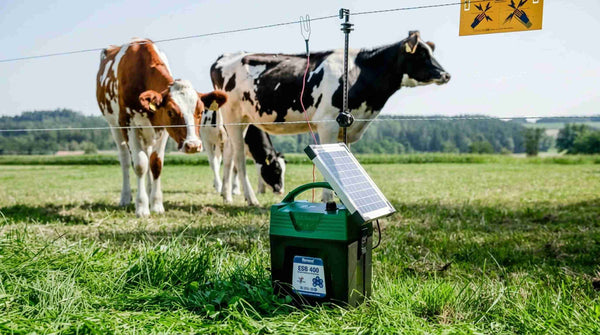
Unlike passive barriers, electric fencing delivers a short, safe, but unforgettable shock. It trains predators to associate your farm with a negative experience — permanently. Let’s look at how different fence types compare in real predator deterrence.Predator Deterrence Effectiveness by Fence Type
Electric netting combined with a quality energizer yields the lowest attack success.
Upgrade Your Perimeter Today
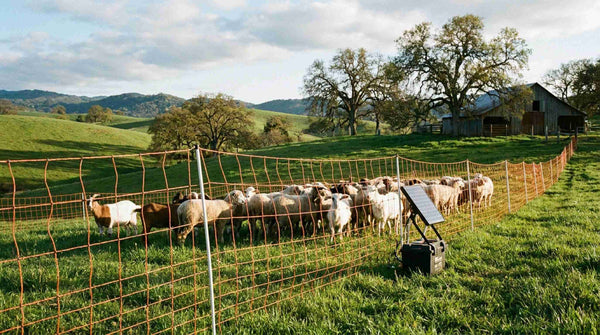
Our Electric Fencing solutions are designed for easy installation and year‑round durability. Pair them with our Electric Netting for the ultimate predator barrier that also contains livestock.Explore Netting →Real Farm Case: How a Small Flock Owner Stopped Losing Birds
- ✅ Zero losses in the following 5 months
- ✅ Fox tracks found outside the netting, never inside
- ✅ Birds displayed calmer behavior, with better egg production

Predator Activity Peaks – Plan Your Defense
Predator attacks peak between 9pm and 3am. An always‑on electric fence is your best nocturnal guardian.
Choose the Right Energizer
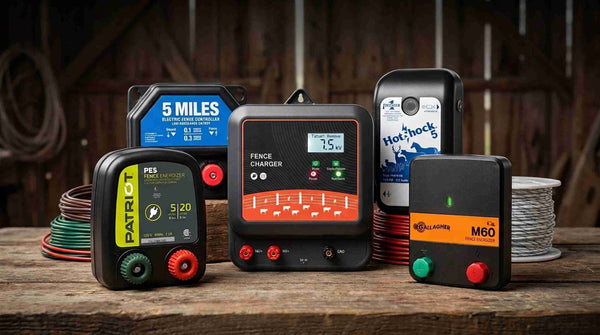
For remote areas, the Solar Electric Fence Charger keeps voltage high even on cloudy days — no extension cords needed.View Energizers →| Feature | AC Mains | Solar |
|---|---|---|
| Power source | Grid | Sunlight + battery |
| Best for | Permanent fences | Remote pastures |
| Maintenance | Low | Clean panel quarterly |
| Output | Constant | Stable with battery |
Our Solar Charger works even in diffuse light.

Frequently Asked Questions
How does electric fencing physically deter a predator?
What is the difference between electric netting and standard wire fencing?
Can a solar energizer work during winter or cloudy days?
Is electric fencing safe for pets and children?
How do I maintain my electric fence system?
© VetraPulse – Smart Protection for Your Livestock. All rights reserved.